What Happens Without a Fleet Plan
Strategic fleet planning means matching the right mix of equipment to your facility’s size, layout, and workload, so every machine you own is earning its keep. It also means thinking beyond the next purchase order to how your equipment needs will change as your facility, staffing, and standards evolve. Here’s what happens without a plan, and how to build one that works.
Overspending on Equipment
Redundant or oversized machines tie up budget that could go toward something your operation actually needs. It’s easy to end up with more capacity than necessary when purchases happen one at a time, in response to whatever problem is most urgent that week.
Underutilized Assets
Equipment sitting idle in a closet or a corner of the warehouse isn’t doing your team any favors — it’s a sunk cost that isn’t contributing to your results. Underutilized equipment is often a sign that a purchase was made without a clear picture of actual need.
Inconsistent Coverage
Without a plan, some areas of a facility get cleaned well and others get missed, simply because the right equipment isn’t in the right place at the right time. Coverage gaps tend to show up in inspections and audits before anyone identifies the root cause.
Reactive Purchasing
Buying under pressure — after a breakdown, right before an audit, or in response to a complaint — rarely gets you the best fit or the best price. Reactive purchases are more expensive and more likely to be the wrong choice for the long run.
Building a Plan That Works
Start with a Real Assessment
A strategic fleet plan starts with a clear picture of your facility’s square footage, surface types, and cleaning frequency. What works for a single-story warehouse won’t necessarily work for a multi-building campus or a facility with a mix of hard floors and carpet. Walking the space with someone who understands equipment capacity is often more useful than starting from a spec sheet or a catalog.
Match Equipment to the Work, Not the Budget Cycle
Rather than purchasing whatever fits this quarter’s budget, map out what each area of your facility actually needs — walk-behind versus ride-on scrubbers, battery versus propane, and so on — and build toward that picture over time.
Build In a Replacement Timeline
Every machine has a useful life. A fleet plan should include a rough timeline for when each piece of equipment will need replacing, so aging machines get swapped out before they become a liability instead of after they’ve already failed.
Revisit the Plan as Your Facility Changes
A fleet plan isn’t a one-time exercise. As square footage, staffing, or cleaning standards change, the equipment mix that made sense two years ago might not make sense today. Building in a regular review, even once a year, keeps the plan aligned with reality instead of becoming another document that gets filed away and forgotten.
The Bottom Line
A fleet that’s planned instead of assembled piece by piece saves money, keeps coverage consistent, and takes the guesswork out of your next equipment purchase. It also puts you in control of your budget instead of reacting to whatever breaks next.
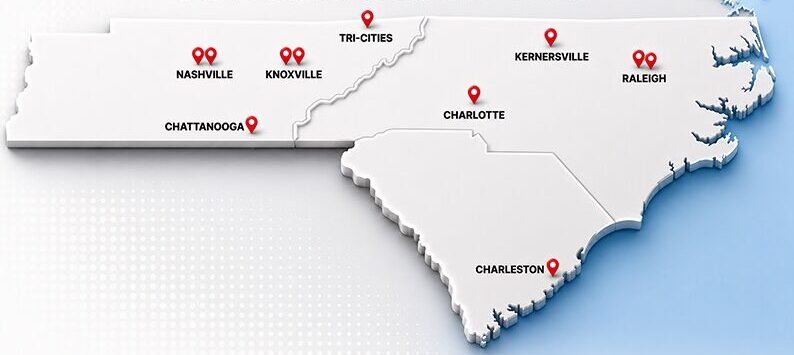
If you’re not sure whether your current equipment lineup matches how your facility actually runs, our team can help evaluate it and build a plan around your real workload. Stop by your nearest Kelsan, MVP, CCE, or WET location, or call 1-800-467-7111 to get started.