A pressure washer is a pressure washer, right? Not quite. The difference between a hot water and a cold water unit can mean the difference between a job that’s done in minutes and one that takes all day — and choosing the wrong machine for your work doesn’t just cost you time, it costs you money in extra chemical use, wasted water, and jobs that have to be redone.
How Hot and Cold Water Units Differ
Cold water pressure washers rely on water pressure and flow rate alone to break down and remove dirt, mud, and general buildup. They tend to be simpler, more compact, and less expensive to buy and maintain, which makes them a solid choice for lighter-duty cleaning.
Hot water pressure washers add heat to the equation, which helps break down grease, oil, and heavy grime faster than cold water can on its own. That extra cutting power often means less scrubbing, less chemical use, and shorter cleaning times on tough jobs — though it’s not a strict requirement even for greasy surfaces, just a significant advantage.
What to Consider Before You Buy
The Surface You’re Cleaning
Grease, oil, and heavy grime are best tackled with hot water, though it’s not strictly required. Dirt, mud, and general buildup often come off fine with cold. Think about the majority of the jobs you take on, not just the toughest one you can imagine.
How Often You’ll Use It
Daily commercial use — cleaning trucks, equipment, or facilities every day — calls for a different build than occasional cleanup jobs. A machine built for infrequent use may not hold up to the demands of daily operation, and a heavy-duty commercial unit may be more machine than an occasional user needs.
Your Water Source
Flow rate and water quality affect performance and which pump setup makes sense for your situation. A pressure washer that’s mismatched to your water supply won’t perform the way the spec sheet suggests, regardless of how well-built the machine is.
Where You’ll Be Working
Mobile soft wash and roof cleaning crews often need a trailer or skid-mounted setup rather than a stand-alone unit, especially if the job requires carrying chemical tanks, hose reels, and a water tank to the site. A unit that works well in a fixed location may not be practical for a mobile operation.
Why It’s Worth Talking to Someone First
The right pressure washer setup depends on your specific jobs, not a one-size-fits-all spec sheet. Two businesses that both call themselves “pressure washing companies” might need completely different machines depending on what they clean, how often, and where.
That’s where it helps to talk through your specific situation with someone who sees these decisions every day. An equipment expert can walk you through the tradeoffs between hot and cold water units, help you think through trailer and skid builds if you’re mobile, and make sure you’re getting the parts and accessories — hoses, nozzles, guns — that actually match how you’ll use the machine.
The Bottom Line
Choosing between hot and cold water isn’t about which one is “better” — it’s about which one fits the work you actually do. Getting it right the first time means less time spent fighting with the wrong machine and more time getting jobs done efficiently.
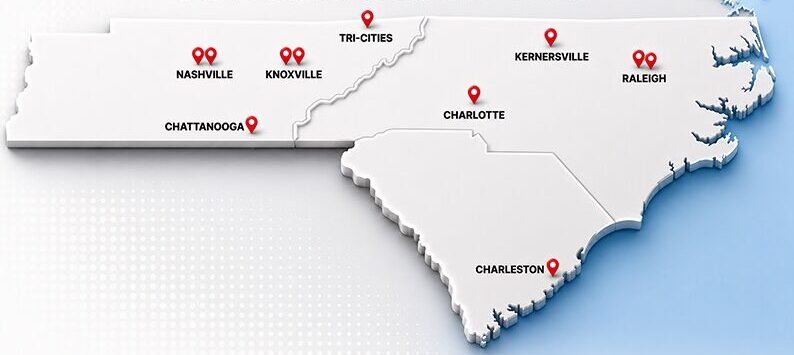
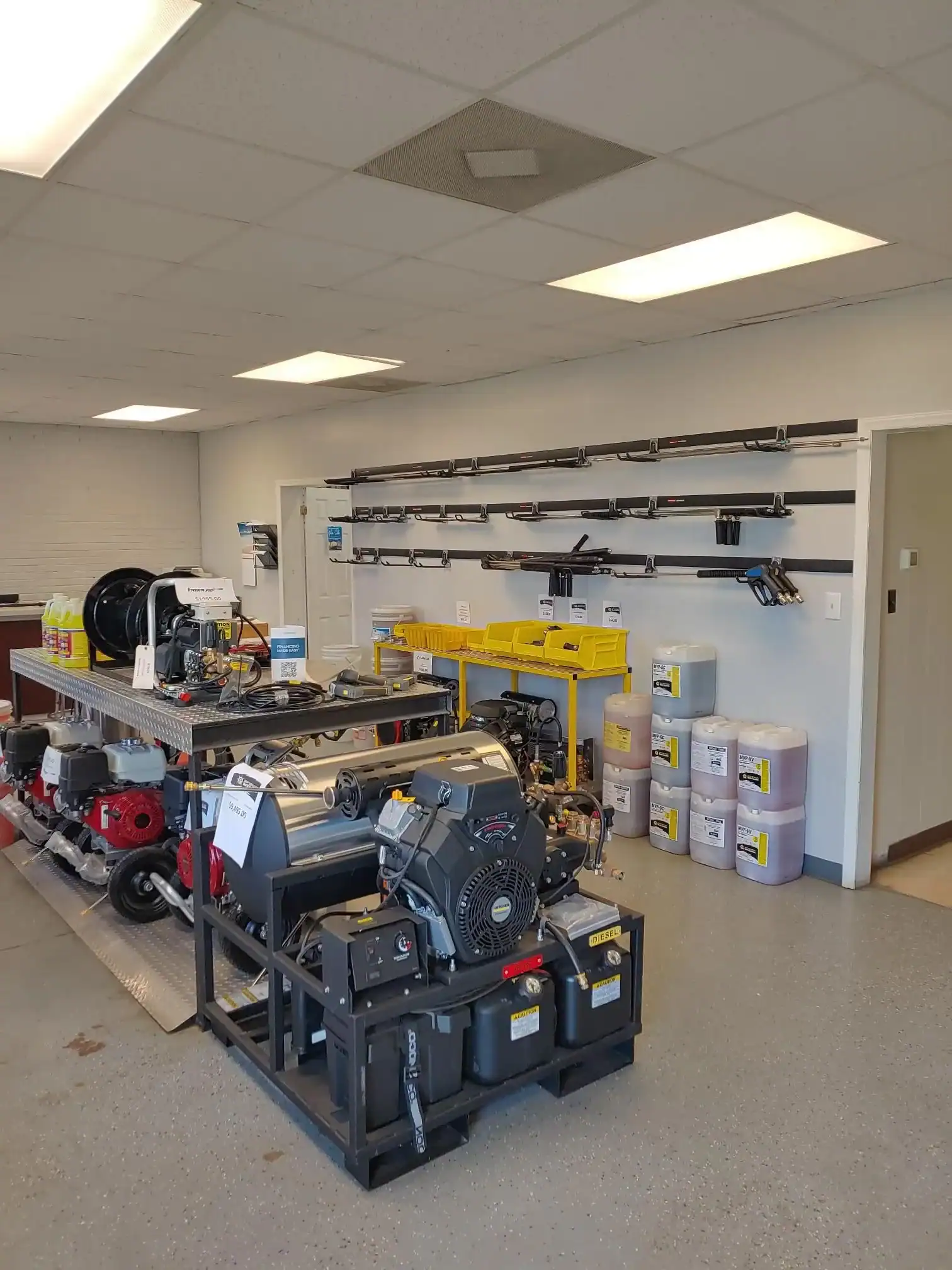
Stop by your nearest Kelsan, MVP, or CCE store to see hot and cold water pressure washers side by side, ask questions, and find the setup that fits your business. Or give us a call at 1-800-467-7111 to talk through your options.